






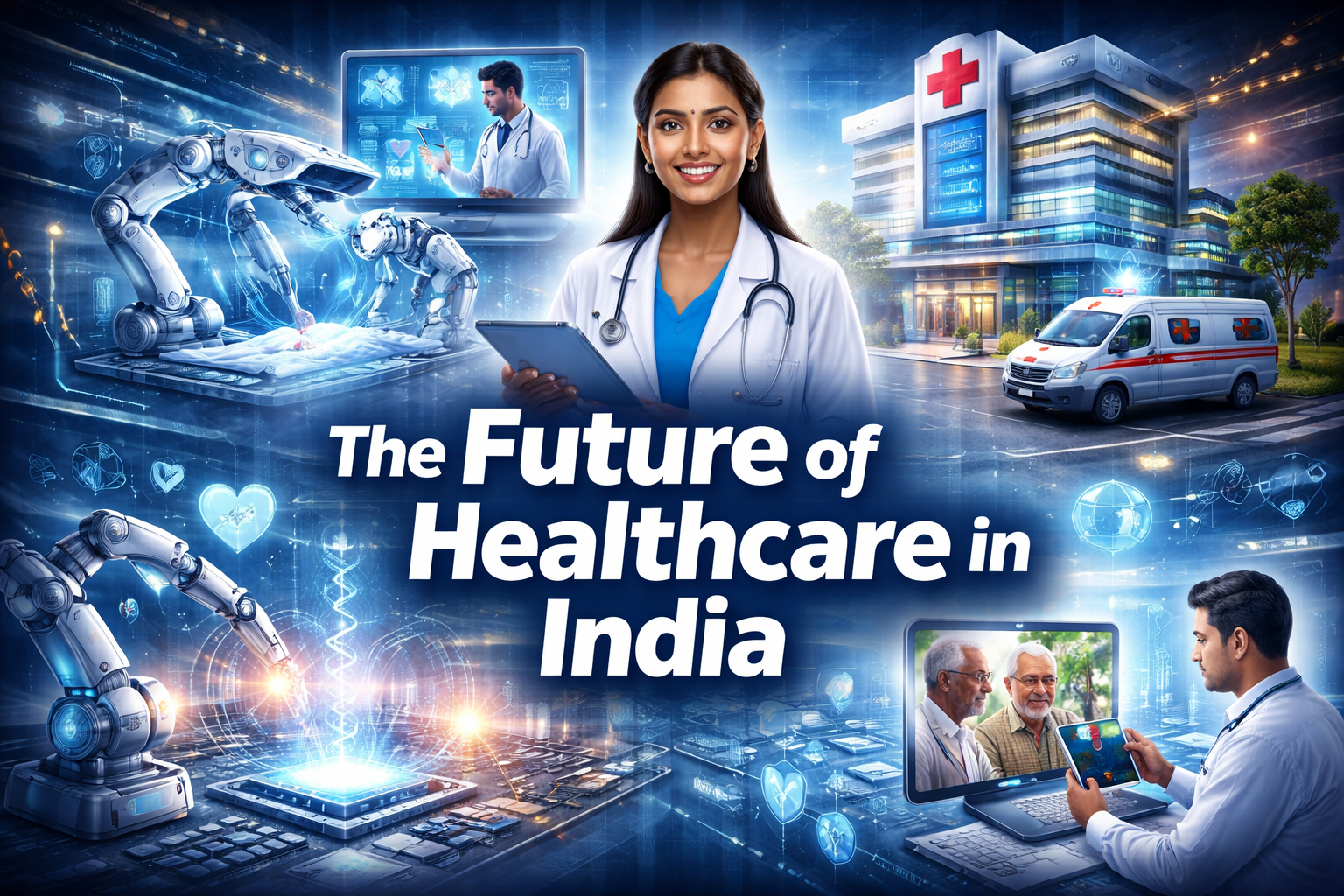
India’s healthcare sector is undergoing a major transformation in 2026. With rapid technological advancements, government initiatives, and increasing awareness about healthy lifestyles, the country is working toward building a stronger and more accessible healthcare system. From digital health platforms to artificial intelligence in hospitals, the health ecosystem in India is evolving faster than ever before.
Rising Lifestyle Diseases in India
One of the biggest health concerns in India today is the rapid rise of lifestyle diseases such as diabetes, hypertension, obesity, and stress-related disorders. Health experts warn that these conditions are becoming a “silent epidemic” due to unhealthy diets, sedentary lifestyles, and increasing mental stress.
Medical professionals are now emphasizing preventive healthcare rather than only treating diseases. Practices like yoga, balanced nutrition, physical activity, and regular health check-ups are being promoted to improve overall well-being. Experts also suggest integrating traditional wellness systems such as Ayurveda and naturopathy with modern medicine for a more holistic healthcare approach.
Digital Health and AI Transforming Medical Services
Technology is playing a crucial role in reshaping India’s healthcare system. Artificial intelligence and digital platforms are now helping doctors diagnose diseases faster, manage hospital data more efficiently, and improve patient care.
In 2026, the Indian government launched initiatives like SAHI (Strategy for Artificial Intelligence in Healthcare for India) and BODH, a national data platform designed to promote responsible AI adoption in healthcare. These programs aim to create ethical, transparent, and effective use of AI in diagnostics, research, and disease monitoring.
With AI technology, doctors can analyze medical images, predict disease risks, and provide more accurate treatment plans. Telemedicine platforms are also expanding healthcare access to rural and remote regions.
Increased Government Investment in Healthcare
The Indian government is increasing its focus on healthcare infrastructure and innovation. The Union Budget 2026–27 allocated more than ₹1.06 lakh crore to the health sector, highlighting the government’s commitment to improving healthcare services and accessibility.
The budget also focuses on expanding medical research, strengthening pharmaceutical manufacturing, and improving healthcare facilities across the country. Investments in biotechnology and public health programs are expected to boost India’s medical capabilities in the coming years.
These initiatives aim to reduce treatment costs, expand health insurance coverage, and improve medical access for millions of people.
Expansion of Digital Health Ecosystems
India is rapidly building a nationwide digital health infrastructure. The Ayushman Bharat Digital Mission (ABDM) is creating a unified digital health ecosystem that allows patients to store and share medical records electronically.
Millions of citizens already have digital health IDs, enabling easier access to healthcare services across hospitals and clinics.
Another digital initiative is the creation of online platforms that allow small clinics and doctors to connect with the national health system. These platforms aim to improve transparency, accessibility, and efficiency in healthcare services.
Digital transformation is expected to make healthcare more connected and patient-centric in the future.
Strengthening India’s Medical Manufacturing Sector
India is also focusing on becoming self-reliant in medical devices and healthcare equipment. Experts say the country needs a stronger domestic manufacturing ecosystem to reduce dependency on imports and improve supply chain stability.
Developing local medical device manufacturing will help hospitals access affordable equipment while boosting the country’s healthcare economy. It will also create new opportunities for innovation and employment within the healthcare sector.
Improving Primary Healthcare Access
Another major priority for India’s health system is expanding primary healthcare services. Across the country, thousands of upgraded Ayushman Arogya Mandirs are providing basic medical services, preventive care, and wellness programs closer to communities.
These centers help reduce pressure on large hospitals while ensuring people in rural and underserved areas receive timely medical attention.
Challenges That Still Remain
Despite these positive developments, the Indian healthcare system still faces several challenges. High out-of-pocket healthcare expenses, uneven distribution of medical resources, and shortages of skilled healthcare professionals remain major issues.
Addressing these challenges will require long-term investments in medical education, healthcare infrastructure, and public health awareness programs.
Conclusion
India’s healthcare sector in 2026 is at a crucial turning point. Advances in digital health, government investment, and AI-driven medical technologies are helping transform how healthcare services are delivered across the country.
At the same time, growing awareness about preventive health and lifestyle management is encouraging people to take better care of their well-being. With continued innovation and strong policy support, India is steadily moving toward a more accessible, affordable, and technology-driven healthcare system.
