




Introduction: A Sudden Shift in Global Energy Dynamics
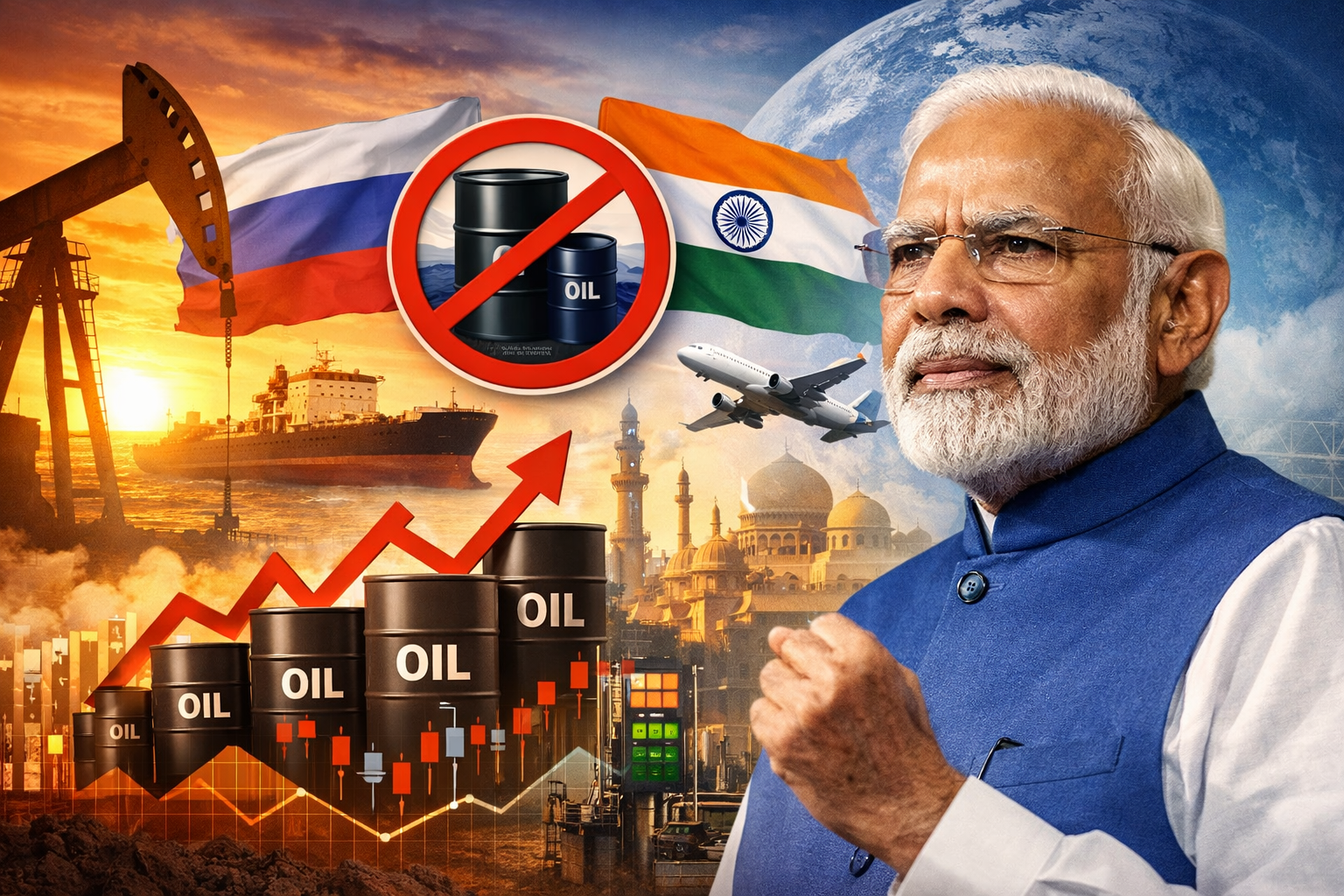
The global energy market has recently witnessed a significant disruption as Russia reportedly restricted crude oil supplies to India. This unexpected development has raised concerns about energy security in India, a nation heavily dependent on imported oil to fuel its rapidly growing economy. The situation has not only impacted trade relations but also forced India to rethink its energy procurement strategy in real time.
India’s Dependence on Russian Crude Oil
Rise of Russian Oil Imports
Over the past few years, India increased its crude oil imports from Russia due to discounted pricing and favorable trade conditions. After global geopolitical shifts, Russian oil became an attractive option for Indian refiners looking to reduce costs and maintain supply stability.
Risks of Overdependence
However, the current disruption highlights a critical vulnerability—overdependence on a single supplier. When a major source like Russia limits supply, it can create immediate pressure on pricing, logistics, and availability. This situation has exposed the importance of diversification in energy imports.
Government Response and Diplomatic Moves
Leadership by Prime Minister Narendra Modi
In response to the crisis, Prime Minister Narendra Modi has taken swift action by initiating diplomatic visits to other oil-producing countries. His outreach reflects a proactive approach to securing alternative energy sources and minimizing economic impact.
Strengthening Global Partnerships
India is now actively engaging with nations in the Middle East, Africa, and other regions. Countries such as Saudi Arabia, Iraq, and the United Arab Emirates are expected to play a crucial role in filling the supply gap. These partnerships are being strengthened through bilateral agreements and long-term contracts.
Impact on Economy and Consumers
Rising Costs and Inflation Pressure
Crude oil is a key driver of economic activity. Any disruption in supply can lead to increased fuel prices, which directly affect transportation, manufacturing, and daily living costs. This could result in inflationary pressure across multiple sectors in India.
Business and Industry Challenges
Industries that rely heavily on fuel—such as logistics, aviation, and manufacturing—may face higher operational costs. Companies might need to adjust pricing strategies or absorb losses, which could impact overall economic growth.
India’s Strategic Energy Shift
Diversification of Oil Sources
India is now focusing on diversifying its oil import basket. By sourcing crude from multiple countries, the government aims to reduce risks associated with geopolitical uncertainties. This strategy ensures a more stable and resilient supply chain.
Building Strategic Reserves
Another key step is the expansion of strategic petroleum reserves. These reserves act as a buffer during supply disruptions, allowing the country to maintain stability even during global uncertainties.
Push Toward Renewable Energy
Reducing Dependence on Fossil Fuels
The current crisis has accelerated India’s transition toward renewable energy. Solar, wind, and green hydrogen projects are being prioritized to reduce reliance on imported crude oil.
Long-Term Sustainability Goals
India’s vision includes achieving energy independence and sustainability. Investments in clean energy infrastructure are expected to play a major role in shaping the country’s future energy landscape.
Global Geopolitical Implications
Energy as a Strategic Tool
Russia’s decision to limit crude oil exports may be influenced by broader geopolitical strategies. Energy has always been a powerful tool in international relations, and such moves can reshape alliances and trade patterns.
India’s Balanced Foreign Policy
India is carefully maintaining a balanced approach by engaging with multiple global powers. This strategy helps protect national interests while ensuring uninterrupted access to essential resources.
Role of Indian Oil Companies
Adapting to New Market Conditions
Indian oil companies are actively exploring new suppliers and renegotiating contracts. They are also investing in advanced refining technologies to improve efficiency and adaptability.
Strengthening Infrastructure
Efforts are being made to upgrade storage facilities, transportation networks, and refining capacities. These improvements will help India handle future disruptions more effectively.
Future Outlook
Short-Term Adjustments
In the short term, India may face pricing volatility and supply challenges. However, strong diplomatic efforts and diversified sourcing are expected to stabilize the situation.
Long-Term Opportunities
This crisis also presents an opportunity for India to strengthen its energy independence. By investing in renewables and expanding global partnerships, India can build a more secure and sustainable energy ecosystem.
Conclusion: Turning Challenge into Opportunity
The restriction of crude oil supply by Russia has created a challenging scenario for India, but it has also acted as a catalyst for change. With decisive leadership from Prime Minister Narendra Modi, strategic diversification of imports, and a strong push toward renewable energy, India is adapting quickly to the evolving global landscape.
While short-term challenges remain, India’s long-term approach focuses on resilience, sustainability, and growth. This situation underscores the importance of flexibility in global trade and highlights how nations must continuously evolve to secure their economic future in an unpredictable world.